
Urban development is a complex process that can be difficult to understand. Many misconceptions exist, and people often question how it works. This blog post will answer five of the most frequently asked questions about urban development. Land development experts like Damon Becnel believe urban development is more sustainable. We will provide clear and concise explanations to understand this vital topic better.
What Is Urban Development And What Are Its Benefits For A City?
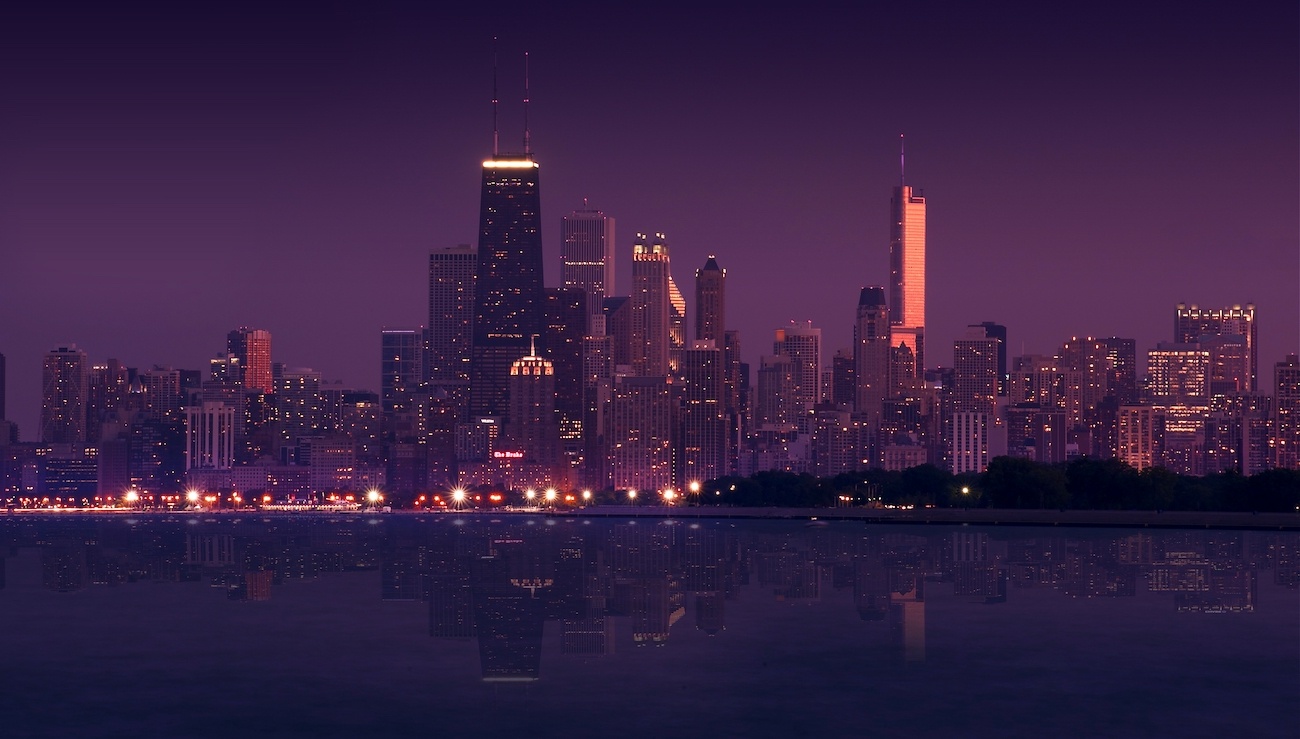
Urban development refers to transforming a city or town from its current state into a more livable, functional, and sustainable community. The benefits of urban development are many and varied but can be broadly divided into economic, social, and environmental categories.
From an economic perspective, urban development can lead to increased property values, new investment opportunities, and more jobs. From a social perspective, it can improve access to essential services, create new public spaces for gathering and recreation, and foster a sense of community pride.
And from an environmental perspective, it can reduce air pollution and energy consumption, promote alternative transportation options, and help protect and restore natural habitats.
How Does Urban Development Help To Create A More Sustainable Environment?
As the world becomes increasingly urbanized, it is essential to consider how this development can be used to create a more sustainable environment. One way that urban development can help achieve this goal is by increasing the density of populated areas.
This can reduce transportation emissions, as people can live closer to work, schools, and other essential services. In addition, higher density populations can also lead to more efficient use of resources like energy and water. When people live close together, it is easier to share resources and infrastructure, which can help reduce waste and conserve resources.
How Do City Planners Decide Which Areas Should Be Developed?
City planners must consider many factors when deciding which areas to develop. Population growth, infrastructure needs, and economic development are all critical considerations. In addition, city planners must also be mindful of the impact that development can have on the surrounding community.
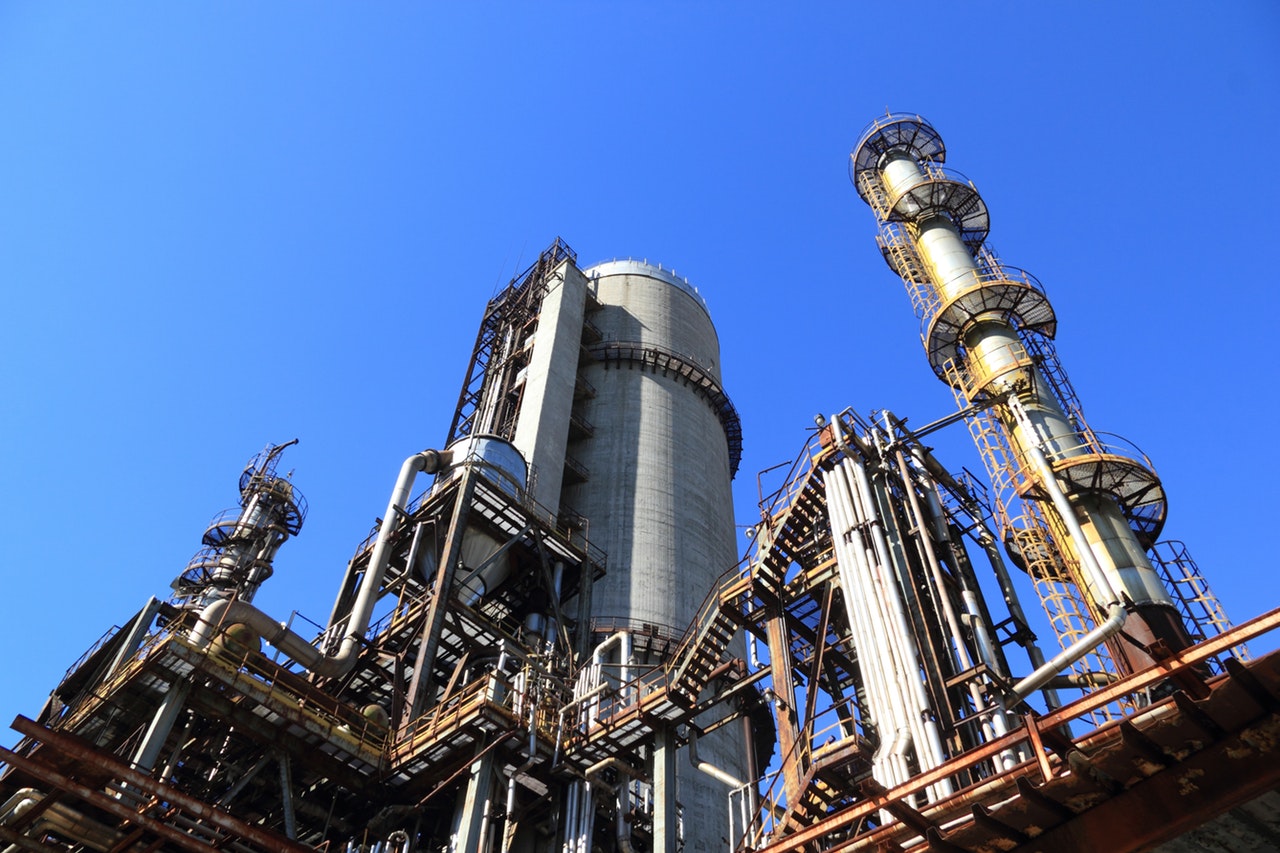
For example, developing a new shopping center in a residential neighborhood may lead to increased traffic and noise levels, disrupting residents. Likewise, creating a new factory in an agricultural area could lead to environmental concerns. As such, city planners must strike a balance between the community’s needs and the potential impacts of development.
What Challenges Must City Planners Face Around Urban Development?
City planners must take several factors into account when planning for urban development. One of the most critical challenges is population growth. As cities grow, the demand for housing, jobs, and services increases. This can put a strain on infrastructure and lead to problems such as overcrowding, traffic congestion, and pollution. Another challenge is economic development.
City planners must strike a balance between attracting new businesses and ensuring existing ones thrive. They also need to consider how new development will impact the city’s tax base and the job market. Lastly, city planners must be mindful of public opinion.
While it is essential to consider the needs of various stakeholders, the city planner must ultimately make decisions that are in the community’s best interests.
Final Thoughts
To maximize the benefits and minimize urban development challenges, city planners must carefully consider the community’s needs. For instance, they may need to consult with residents to ensure that new products meet their needs and improve their quality of life.
In addition, they may need to work with land development experts like Damon Becnel to ensure that new construction will not damage sensitive ecosystems or contribute to climate change. By considering these factors, city planners can help create more sustainable and livable communities.